
Prescriptions & Insurance Coverage
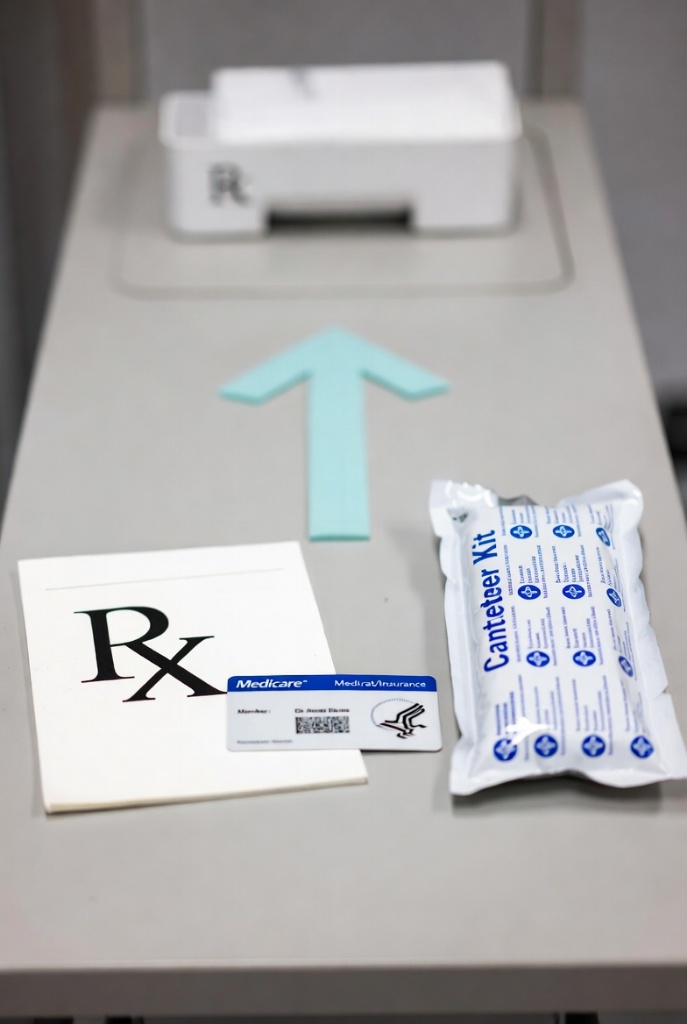
Obtaining high-quality urological supplies is a multi-step process that relies on clear communication between your healthcare provider, your insurance carrier, and your chosen supplier. Understanding the documentation required for "Medical Necessity" is the most effective way to ensure your supplies are covered and delivered without delay.
The Necessity of a Prescription
Because urological supplies like intermittent catheters and drainage systems are regulated medical devices, a valid prescription is mandatory. This document serves as a roadmap for your care, specifying the exact size (French scale), material, and frequency of use required for your specific anatomy.
Medicare and Private Insurance
Most major insurance plans, including Medicare Part B, provide coverage for these essentials. To secure coverage, your provider typically must submit:
- A Detailed Prescription: Including your specific diagnosis and relevant ICD-10 codes.
- Physician Notes: Recent clinical records that support the need for the prescribed supplies.
- Letter of Medical Necessity (LMN): A signed statement explaining why specific features (like a hydrophilic coating) are required to prevent complications like UTIs.