
Gender-Specific Urological Care
Anatomical structure is the primary driver behind the engineering of urological health products. Because the male and female urinary tracts differ significantly in length and orientation, medical supplies are meticulously designed to ensure that every individual can manage their health with maximum comfort and zero compromise to their daily lifestyle.
Anatomy-Driven Design
The primary difference lies in urethral length. The average male urethra is significantly longer than the female urethra, which is why male catheters typically measure 40 cm while female versions are much more compact (often 7-20 cm). These differences extend beyond just length to include the shape of insertion tips and the method of external moisture collection.
Male-Specific Solutions
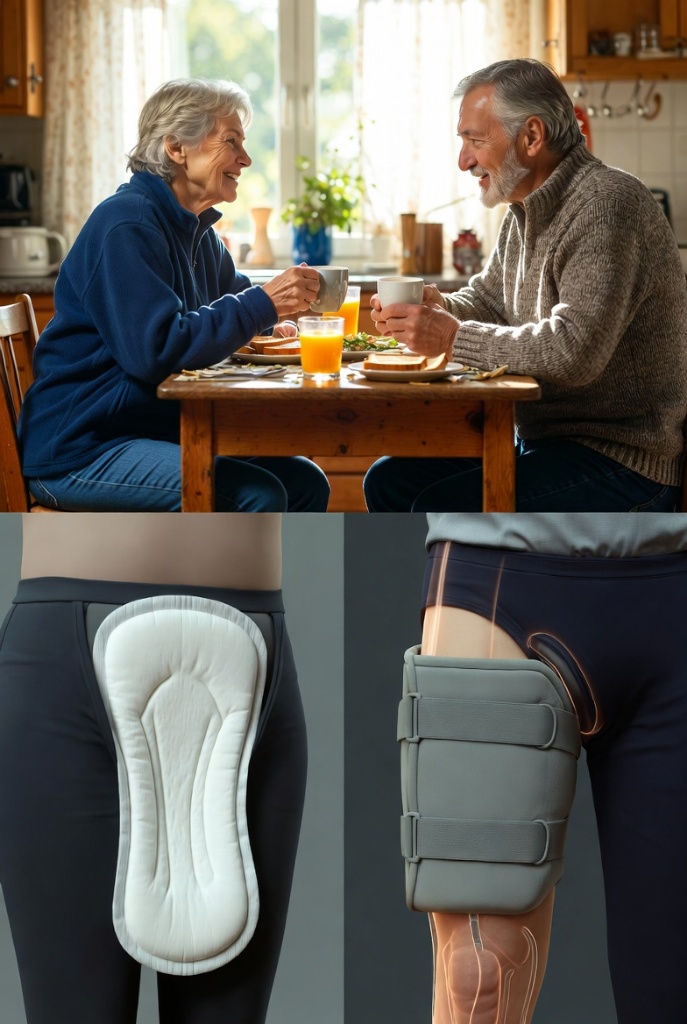
Men often utilize external condom catheters (also known as Texas catheters), which fit securely over the anatomy and drain into a discrete leg bag. For internal needs, "Coudé" or curved-tip catheters are frequently prescribed to navigate the natural curve of the male anatomy safely and comfortably.
Female-Specific Solutions
Women benefit from ultra-portable "pocket" catheters that offer ultimate discretion for travel and social use. Additionally, modern non-invasive wicking systems use soft, external materials to draw moisture away from the skin, preventing irritation and maintaining skin integrity during rest or sleep.