
Anatomy-Driven Urological Design
Anatomical structure is the primary driver behind the engineering of urological health products. Because the male and female urinary tracts differ significantly in length and orientation, medical supplies are meticulously designed to ensure maximum comfort and lifestyle integration.
Key Engineering Differences
The primary difference lies in urethral length. Male catheters typically measure 40 cm to accommodate the longer urethral path, while female versions are much more compact, ranging from 7-20 cm. These design choices ensure safe insertion and efficient drainage while minimizing tissue irritation.
Male-Specific Solutions
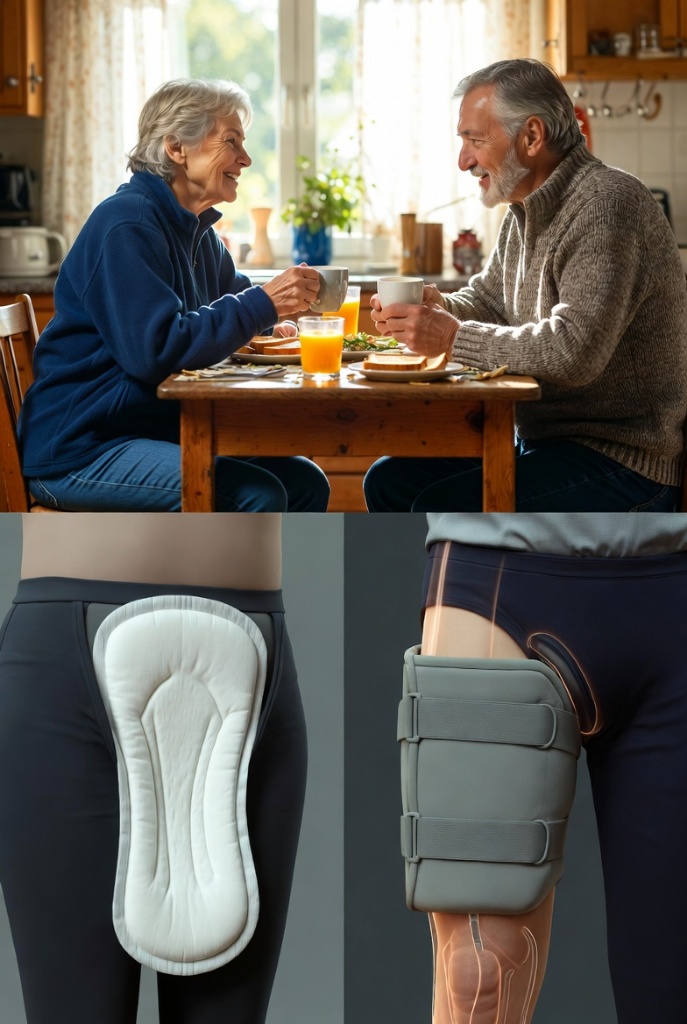
Men often utilize external condom catheters for non-invasive drainage or "Coudé" (curved-tip) catheters. The Coudé tip is specifically designed to navigate natural obstructions or curves in the male anatomy, providing a smoother insertion process compared to standard straight-tip models.
Female-Specific Solutions
For women, discretion and portability are often prioritized. Modern "pocket" catheters are designed to be ultra-compact for use in public restrooms or while traveling. Additionally, external wicking systems offer a non-invasive alternative for moisture management, particularly during sleep.